A skilled sight-reader does not actually look at every note. Eye-tracking studies show something simpler: a fluent musician's eyes stop only two or three times per measure, jumping rapidly between those stops. A beginner stops at every note. Across the same passage, the number of fixations differs by a factor of five.
Understanding where this difference is made determines where sight-reading speed training should be aimed.
🎼 Fixations and Saccades — The Two Modes of Reading
Eye motion looks continuous, but it is actually an alternation between brief pauses (fixations) and rapid jumps (saccades). Visual information is processed only during fixations. During saccades, vision is effectively suppressed — no new information enters the system.
Reading music follows the same mechanism. A note is processed during a fixation, and then the eye jumps to the next note or measure. Shorter fixations and longer jumps produce faster reading. A skilled musician processes several notes within a single fixation, then jumps an entire measure at once.
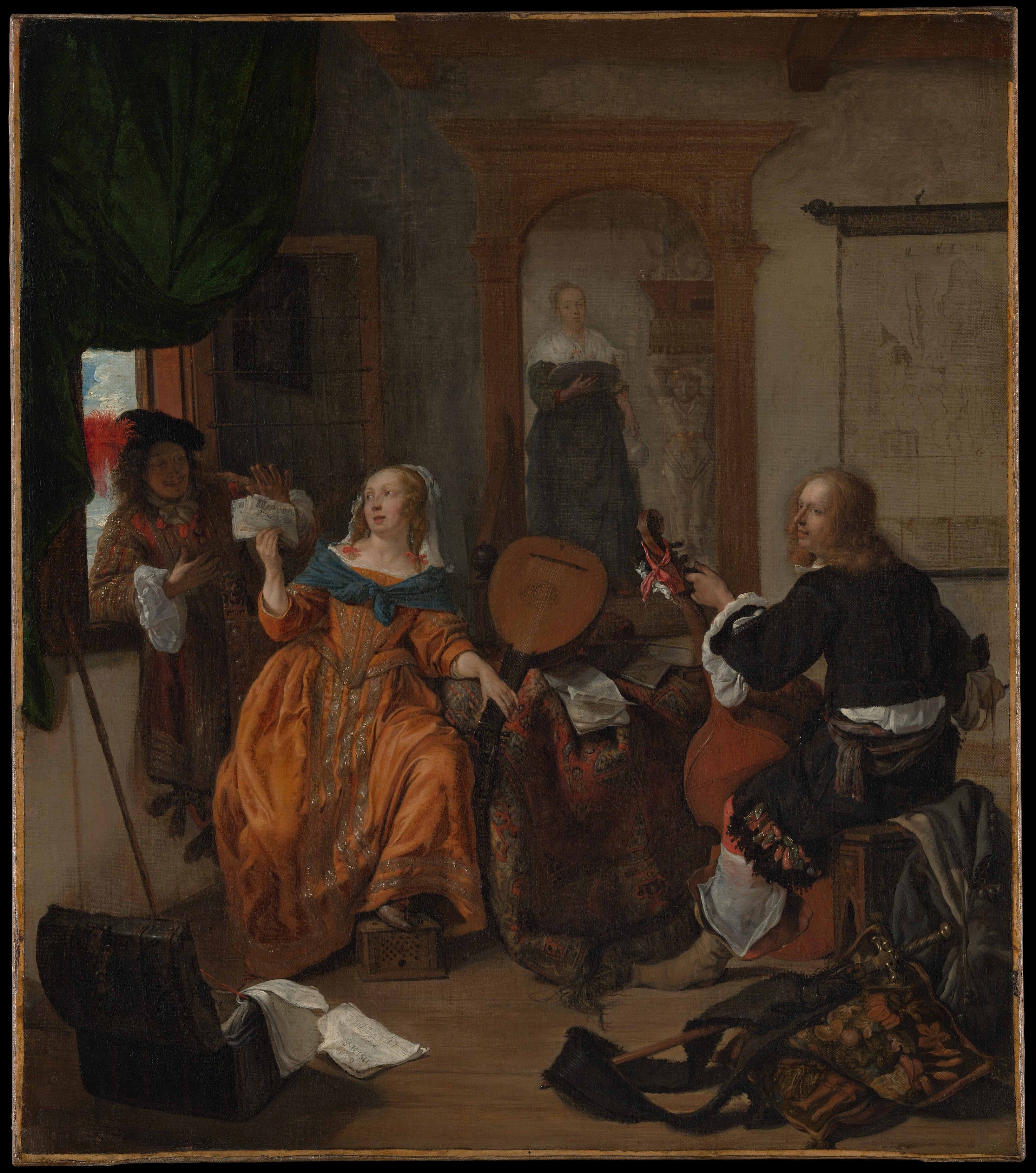 Figure 1: Gabriël Metsu, "A Musical Party" (1659), oil on canvas. The Metropolitan Museum of Art — Public Domain
💡 Skilled vs Novice — Goolsby (1994)
Goolsby (1994) used eye-tracking equipment to record musicians while they sight-read, producing precise numbers. Skilled readers averaged 230-millisecond fixations; novices averaged 380 milliseconds — the time to process a single note differs by a factor of 1.6.
The more decisive difference is where the eye stops. Beginners fixate on each note in sequence. Skilled readers fixate between notes, at the spaces where interval relationships are processed — they read two notes' relationship at once rather than one note at a time.
The third difference is field width. Skilled readers process ±2–3 notes around the fixation point through peripheral vision. Beginners process only the fixated note itself. This field-width difference determines how much information is captured per fixation.
🎹 Where Speed Is Made — Cognition, Not Vision
The crucial point: the difference in fixation length is not a difference in eye-muscle speed. Both groups can move their eyes at the same rate. The difference is in cognition — how quickly the brain converts a visual note into a meaningful pitch. Faster conversion means shorter fixations.
Rayner (1998) found the same pattern in general reading. Fast readers have short fixations not because their eyes are fast, but because their word-recognition cognition is fast. Music reading follows the same logic. "Fast reading" is not an ocular skill; it is a cognitive one.
This determines the direction of training. Practicing to move the eye faster does not work. Practicing to convert notes into pitch information faster does.
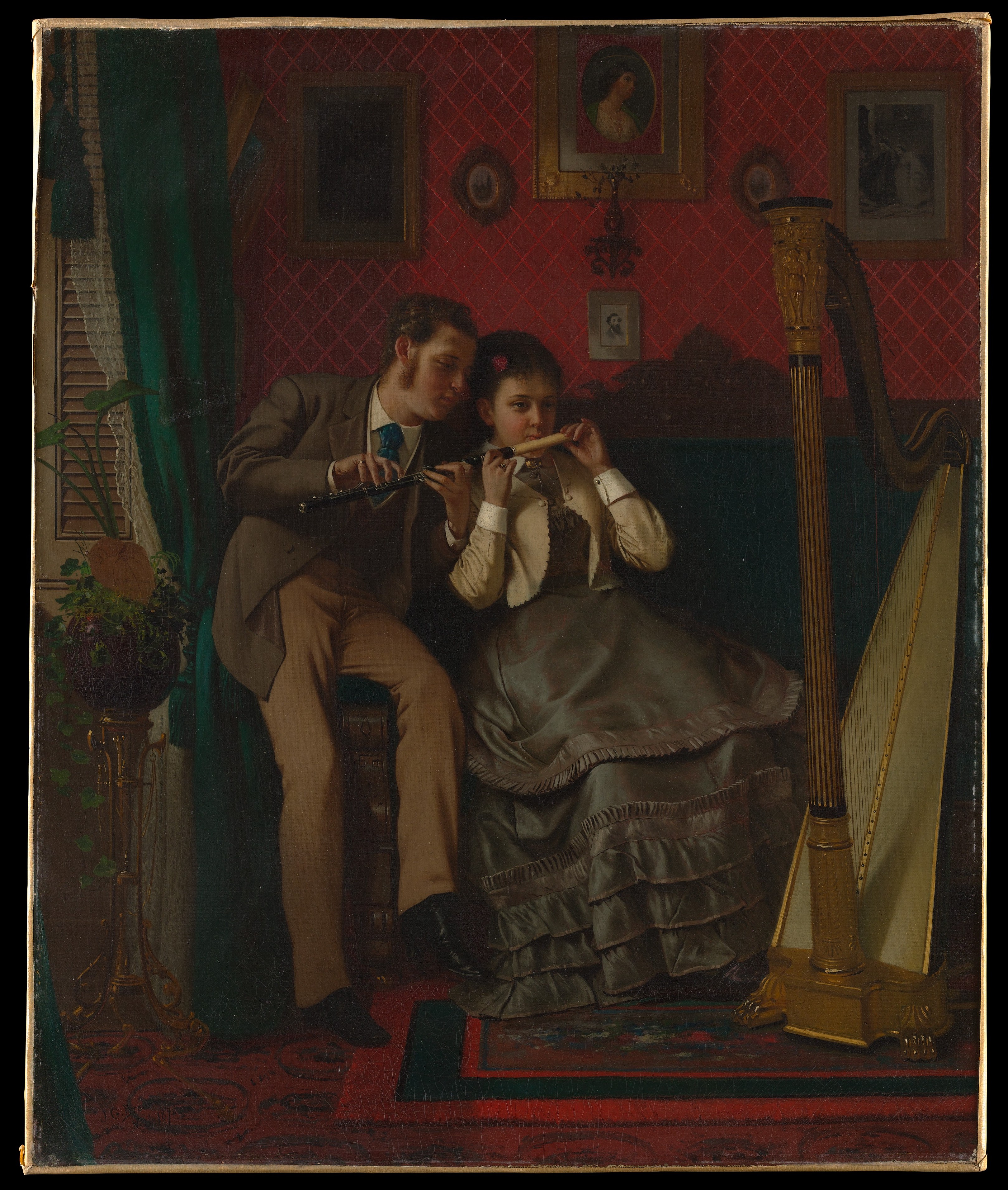 Figure 2: John George Brown, "The Music Lesson" (1870), oil on canvas. The Metropolitan Museum of Art — Public Domain
🎵 Training in Chunks
The most validated way to reduce cognitive processing time is chunking. Instead of processing individual notes one at a time, the brain learns to recognize interval patterns as units. Once a major third, perfect fifth, or octave is recognized at a glance — without computation — the amount of information processed per fixation increases.
The training method is straightforward: deliberate, repeated exposure to interval patterns, but across many keys. Practicing major thirds only in C major builds C-major-position recognition, not interval processing itself. Rotating through all twelve keys strengthens the neural pathway for the interval as such, key-independent.
The second element is field-width expansion. Practicing to take in more notes within a single fixation — sometimes by deliberately holding the score slightly further away, forcing the eye to see a whole measure at once. Beginners have a habit of fixating on individual notes; without conscious widening, that habit persists indefinitely.
A Measurable Change
When response times are tracked at the note level, the change becomes objective. When the time for a specific note drops from 380 to 280 milliseconds, the processing time for an entire measure shrinks proportionally. Accumulated, this produces 30–50% more notes read per minute.
Noteflex tracks per-note response times and surfaces slow notes more frequently in the next session — a direct application of this principle. To reduce a specific bottleneck, the bottleneck must first be measurable.
Fast reading is not the speed of the eye. It is the speed of cognition. And the speed of cognition is built from three plain words: measure, target, repeat.